







Search Results for: tree tomato
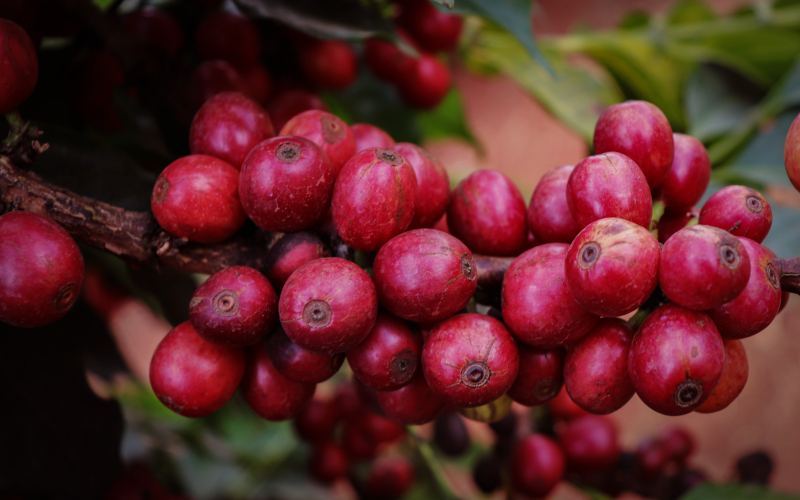
The Acidic Charm of Kenyan Coffee: Causes of the Cherry Tomato Flavor and Analysis of the SL Series Varieties
Kenyan coffee has long been renowned for its vivid fruit acidity and complex layers, making it one of the most distinctive origins in specialty coffee. This article focuses on Front Street Coffee's Little Tomato coffee beans, outlining their producing region, processing method, variety, and flavor characteristics, and analyzing the possible reasons behind the little tomato tonal quality. At the same time, from the two perspectives of high-altitude cultivation and volcanic soil, it explains the source of Kenyan coffee's bright acidity and full sweetness, and introduces the background and characteristics of the SL28 and SL34 varieties. Finally, it includes the pour-over parameters and brewing steps for Front Street Kenya Little Tomato, helping coffee lovers reproduce at home a clean, well-balanced Kenyan coffee with balanced acidity and sweetness. [more…]
Why Does Kenyan Coffee Have Fruity Acidity? A Detailed Guide to the Causes of Cherry Tomato Flavor and Pour-Over Water Temperature and Grind Parameters
Kenyan coffee is known for its bright acidity and complex flavors—some people are captivated by it, while others find it hard to accept. What exactly creates this polarizing taste experience? This article starts with Front Street's Little Tomato coffee beans to analyze the causes of Kenyan coffee's high acidity—how high-altitude cultivation and volcanic soil affect the ripening rhythm and sugar accumulation of coffee cherries—and introduces the characteristics of the two classic varieties, SL28 and SL34. It also includes Front Street Kenya Little Tomato's pour-over brewing standards, including a V60 dripper, 91°C water temperature, a 1:15 coffee-to-water ratio, 15 grams of coffee, and specific pouring techniques, to help you recreate a clean and bright cup of Kenyan coffee at home. [more…]
Kenya Coffee Beans Pour-Over Guide: Front Street Cherry Tomato Water Temperature, Grind Parameters, and Flavor Formation Analysis
Kenyan coffee has always been a polarizing bean in the specialty coffee world—those who love it are captivated by its bright acidity and complex layers, while those who aren't used to it find it overly sharp. Front Street currently offers only one Kenyan bean, "Front Street Cherry Tomato," from the Asali washing station in the Thika region, using a 72-hour washed process, with varieties SL28 and SL34. This article will start with the specific details of this bean, trace where Kenyan coffee's high acidity comes from, analyze how altitude and volcanic soil shape its flavor, introduce the history and characteristics of the SL series varieties, and provide Front Street's standard pour-over brewing recipe, including water temperature, dose, grind size, and pouring rhythm, to help you recreate a clean-tasting cup of Kenyan coffee at home. [more…]
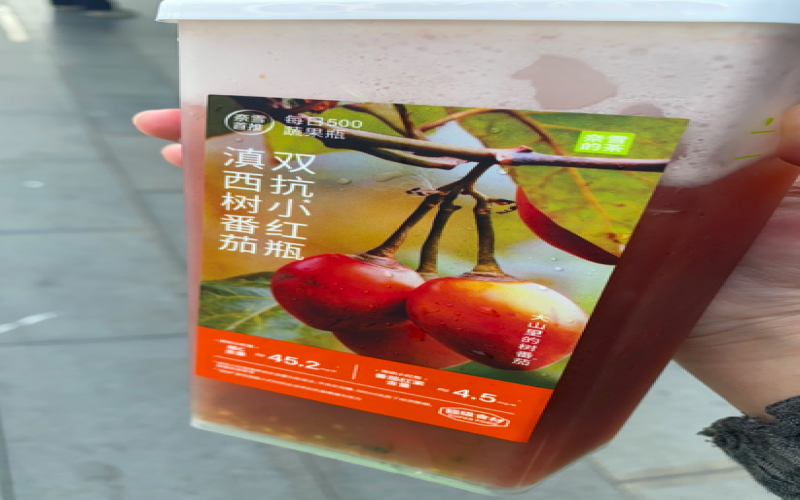
The Controversy Over Nayuki's Little Red Bottle Fruit Pulp: Freshly Squeezed Fruit Not Filtered—Selling Point or Drawback?
Nayuki recently launched a new product, the "Double-Antioxidant Little Red Bottle," featuring freshly squeezed Yunnan tree tomatoes paired with blueberries, cherry tomatoes, lemons, and other fresh fruits. It is advertised as sweet and tangy, rich in vitamin C and lycopene. However, not long after its release, the first wave of curious consumers began complaining: a large amount of fruit peel and seeds settles at the bottom of the cup, and one sip fills your mouth with grit—some people even nearly choked on a lemon seed. Staff responded that filtering the fruit puree was not required during preparation, and the final product varies due to differences in technique. Interestingly, netizens are divided on the issue—some suggest adding a filtration step, while others believe the fruit residue is precisely proof of "genuine ingredients." Behind this controversy lies the challenge of balancing taste and health in fruit-and-vegetable teas. [more…]
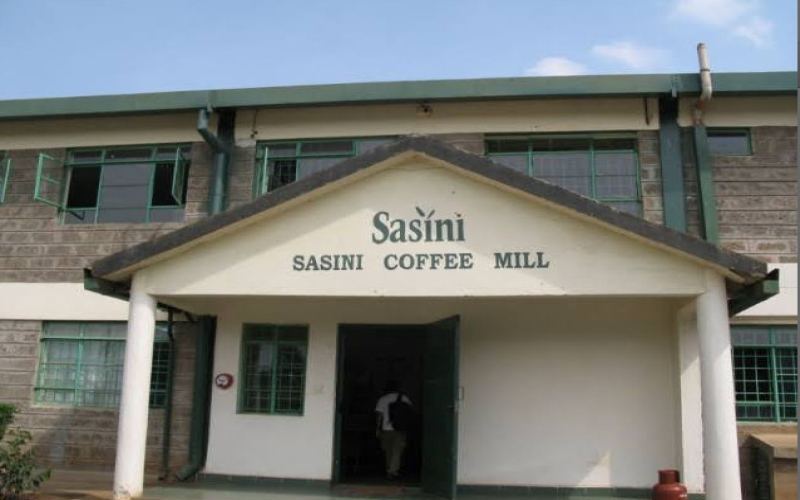
SL28 Coffee Variety Traceability and Flavor Analysis: From Kenyan Drought-Resistant Breeding to Front Street Coffee's Cherry Tomato-Like Cup Performance
SL28 is one of Africa's most legendary coffee varieties. After being selected in Kenya in the 1930s, it gradually spread to Arabica-growing regions such as Uganda, and in recent years it has traveled even farther to Latin America. It is suited to cultivation at medium to high altitudes; it is drought-tolerant yet susceptible to disease, and its flavor is exceptionally elegant, often with floral notes. Front Street Coffee's Little Tomato coffee beans are precisely a combination of SL28 and SL34, displaying layers of pear, smoked plum, yellow sugar, and more. This article will trace the history of SL28's selection and breeding at the Scott Agricultural Laboratories, sort out its genetic relationship with the Bourbon genome, and introduce specific information about Kenya's Asali processing plant, helping coffee enthusiasts fully understand this variety's origins and development as well as its potential in the cup. [more…]
Kenyan Pour-Over Coffee Flavor Analysis: Characteristics of SL28 and SL34 Varieties and the Influence of Terroir
Kenyan coffee occupies a unique position in the global specialty coffee landscape, and its full, delicate flavors draw enthusiasts in droves. This article starts from the Kenya Asali AA Top Little Tomato coffee beans currently sold by Front Street Coffee, and takes a deep dive into the growing conditions, variety characteristics, and brewing key points of Kenyan coffee. The article focuses on how high altitude and volcanic soil shape the high acidity and complex sweetness of Kenyan coffee, and provides a detailed explanation of the origins, agronomic traits, and flavor performance of the two classic varieties SL28 and SL34. It also includes the standard pour-over parameters used at Front Street Coffee stores, helping readers reliably reproduce a delicious cup of Kenyan coffee at home. [more…]
A Comprehensive Analysis of the Origin, Flavor Characteristics, and Mouthfeel of the SL28 Coffee Variety from Kenya's Kiambu Region
SL28 is one of Africa's most legendary coffee varieties. After being selected in Kenya in the 1930s, it gradually spread to African Arabica-producing regions such as Uganda, and today it has traveled even farther to Latin America. It is suited to cultivation at medium to high altitudes, is highly drought-tolerant yet susceptible to coffee diseases, and offers an elegant cup profile that often features floral notes. Front Street's Little Tomato coffee beans are precisely a combination of SL28 and SL34. This article traces the breeding history of SL28, from the establishment of the Scott Agricultural Laboratories to the discovery of drought-resistant plants in Tanzania, and then to genetic testing that confirmed its kinship with the Bourbon genome. It also presents the specific producing region, altitude, processing method, and flavor description of Front Street's Kenyan Little Tomato, giving you a comprehensive understanding of this ancient and resilient variety. [more…]
Is Kenyan coffee's acidity a strength or a weakness? An analysis of the fruity notes brought by washed processing
Kenyan coffee occupies a very special place in the global specialty coffee landscape—some are captivated by it, while others find it hard to accept. Its distinct and complex acidity, paired with a full body and layered depth, draws countless coffee enthusiasts to it. This article starts from Front Street Coffee's currently available Kenya Asali AA Top Little Tomato coffee beans to take a deep dive into the sources of Kenyan coffee's flavor—the high-altitude growing environment, the mineral nourishment of volcanic soil, and the characteristics of the two classic varieties SL28 and SL34. At the same time, Front Street Coffee will also share the standard brewing parameters and techniques for these beans, helping you consistently recreate that cup of distinctly layered, sweet-and-tart Kenyan flavor at home. [more…]
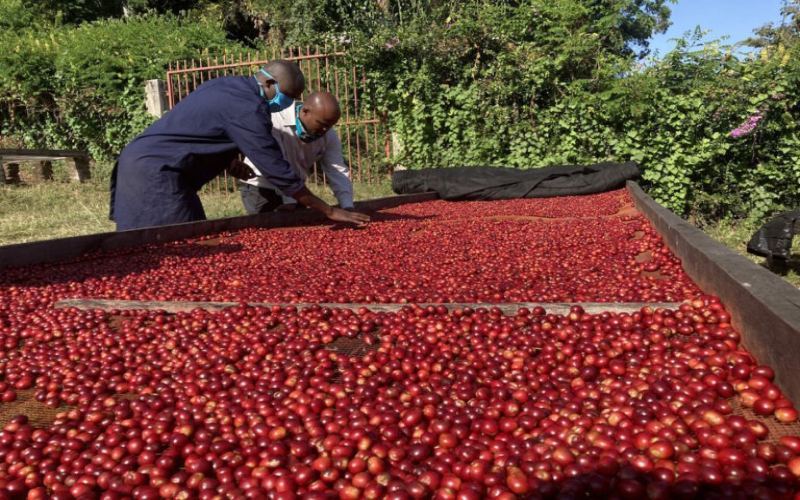
Does High Altitude Always Bring High Acidity? Decoding the Causes of Kenyan Coffee's Acidity and the Secrets of Terroir
Kenyan coffee is famous for its full, delicate flavor and bright acidity, but where exactly does its acidity come from? Does higher altitude mean more acidic coffee? Using Front Street's Little Tomato coffee beans as an example, this article breaks down the logic behind the formation of Kenyan coffee's acidity and flavor from multiple dimensions, including the high-altitude volcanic soil of Kenya's Thika region, the characteristics of the SL28 and SL34 varieties, and the 72-hour washed processing method. It also includes the V60 brewing parameters and technique used at Front Street cafes, helping you understand why the same beans tend to brew up too sour or too bitter at home, and find the adjustment direction that suits you. [more…]
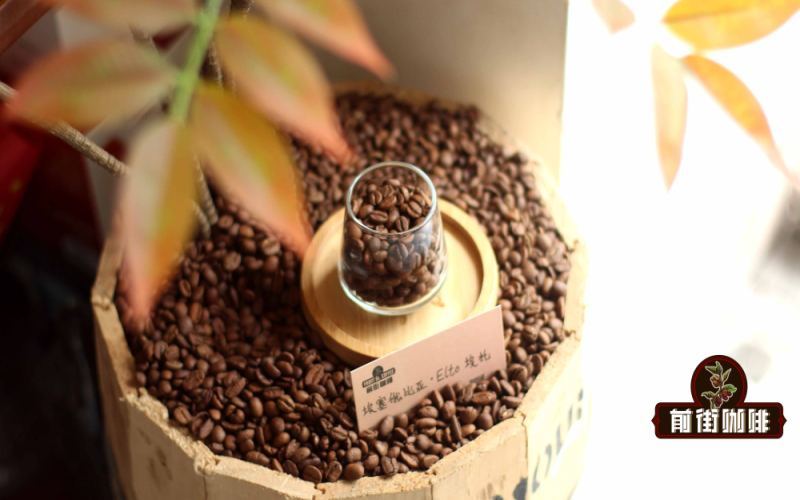
Do Kenyan coffee beans belong to Arabica? An analysis of the SL series varieties and the source of their tomato and berry acidity
Kenyan coffee is renowned worldwide for its bright, vibrant fruit acidity and rich body, but did you know whether it belongs to the Arabica species? This article begins with the distribution of Front Street Kenya coffee growing regions, then takes a deep dive into the lineage, flavor characteristics, and breeding history of the two flagship varieties SL-28 and SL-34, revealing the varietal code behind Kenyan coffee's distinctive tomato-berry acidity and exploring the industry model in which smallholder cooperatives and large estates coexist. [more…]
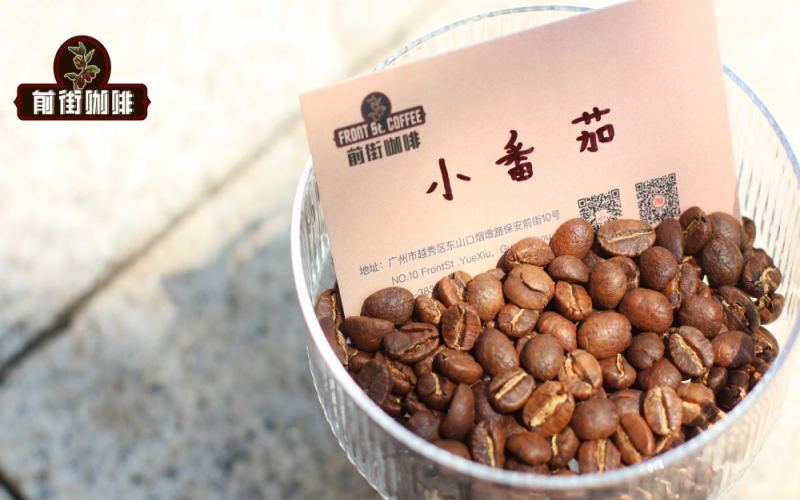
Kenyan Coffee Flavor Characteristics, Growing Region Distribution, Pour-Over Parameters, and Front Street Single-Origin Bean Recommendations
Although Kenya is adjacent to Ethiopia and Yemen, its coffee-growing history is much shorter—seeds were not introduced by missionaries until the late 19th century. Today it is known for varieties such as SL-28 and SL-34 and for its distinct berry notes, with AA grade being a flagship of specialty coffee. From the perspective of Front Street Coffee, this article reviews Kenya's main producing regions, grading system, and variety characteristics, explains the sources of its bright acidity, red wine aroma, and full body, and provides a three-pour hand-brew recipe using 15 g of grounds, 1:15, and 93°C. It also introduces the Front Street Little Tomato AA lot and how to use Asalia for cold brew. [more…]
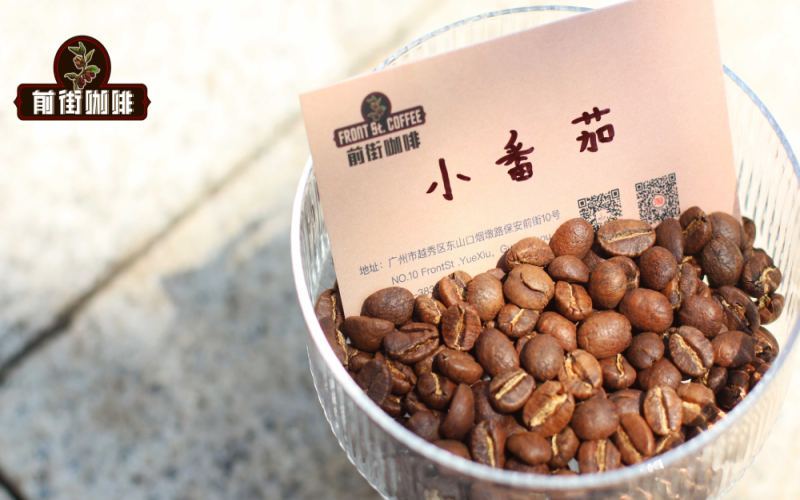
A Complete Guide to Kenyan Coffee Pour-Over: From the SL28 Variety to Front Street Little Tomato's Extraction Parameters and Step-by-Step Practice
Kenya is a representative producing country of East African specialty coffee, known for its vivid berry-like acidity and full body. This article starts with Front Street Coffee's Kenya · Little Tomato, outlining the terroir of Kenyan producing regions and the background of the SL28 and SL34 varieties, and for pour-over extraction of light-roasted Kenyan beans, it breaks down in detail the dripper selection, water temperature range, grind assessment, and three-stage pouring parameters, helping coffee enthusiasts consistently reproduce at home a cup of Kenyan pour-over that is bright in acidity and aroma with a long, lingering finish. [more…]
Kenyan Coffee Beans: Flavor Characteristics, Main Producing Regions, Pour-Over Parameters Explained, and Front Street Single-Origin Recommendations
Although Kenya is adjacent to Ethiopia and Yemen, its coffee-growing history is much shorter—seeds were not brought in by missionaries until the late 19th century. Today, Kenya is known for varieties such as SL28 and SL34 and its strict AA grading, producing high-quality Arabica with bright acidity and prominent berry and grapefruit aromas. In this article, Front Street Coffee will start with Kenya's coffee-producing regions, variety characteristics, and grading system, gradually analyzing its flavor expression, and share the complete parameters for a pour-over Kenya Little Tomato along with the three-pour brewing steps, taking you to experience a cup of Kenyan coffee that is as rich yet fresh as blackcurrant juice. [more…]
Colombia Pink Bourbon: A Rare Coffee Variety Crossbred from Red and Yellow Bourbon, Its Flavor and Yield Analysis
Pink Bourbon is a rare coffee variety bred by crossing Red Bourbon and Yellow Bourbon, and its coffee cherries take on a uniquely romantic pink color when ripe. However, maintaining this color is extremely difficult, because the color is determined by a recessive gene in the pollen grains, and the red and yellow genes easily interfere with each other, sometimes even producing Orange Bourbon. At present, Pink Bourbon is mainly found in Colombia and Guatemala. Take this batch of Front Street Coffee Colombia Pink Bourbon as an example: about 1,800 coffee trees, with each tree producing about 1.8 kilograms of fresh cherries per season, which after processing yield only about 0.36 kilograms of coffee beans, making the entire batch less than 650 kilograms and all the more precious. Its flavor carries sweet orange, sugarcane sweetness, a pleasant juicy mouthfeel, and small tomato notes, and is well worth savoring slowly by coffee lovers. [more…]
Kenya SL28 and SL34 Coffee Varieties Explained: Flavor Differences, Variety Advantages, and Grading System
Kenyan coffee stands out among Africa's specialty producing regions with its bright and pleasant acidity, and the core that underpins its consistent quality is precisely the two local varieties, SL28 and SL34. In this article, Front Street Coffee will systematically review the origins, botanical characteristics, and flavor differences of these two varieties, while also introducing later-developed varieties such as Ruiru11 and Batian, as well as the ins and outs of Kenya's green bean grading system. In the latter part of the article, we will also share the roasting parameters and brewing suggestions for two Front Street coffees, Kenya Small Tomato and Sachini PB, for coffee enthusiasts to reference and put into practice. [more…]
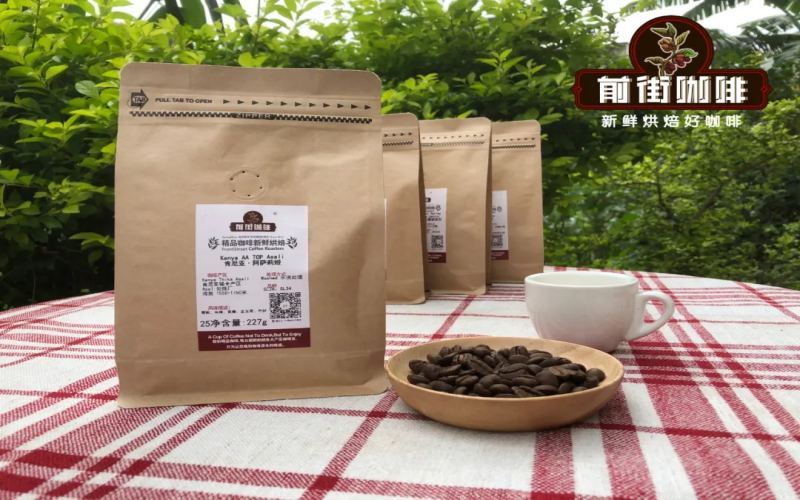
The Acidic Charm of Kenyan Coffee: An Analysis of Production Regions, SL Varieties, and the 72-Hour Washed Process
Kenyan coffee is world-renowned for its bright, uplifting acidity and full, juicy body, making it the benchmark for acidity in the minds of many coffee lovers. This article will start with Kenya's coffee-growing geography and harvest seasons, then go through the characteristics of each of the seven major producing regions one by one, explain the AA grading system and the unique 72-hour washed processing method, and take an in-depth look at the origins and flavor profiles of the two classic varieties, SL28 and SL34. At the same time, Front Street Coffee will share, based on its own roasted Kenya Asalia coffee beans, how to use a segmented extraction approach to fully bring out this bean's rich fruity aromas of cherry tomato and black plum along with its thick, syrupy juice-like body. [more…]
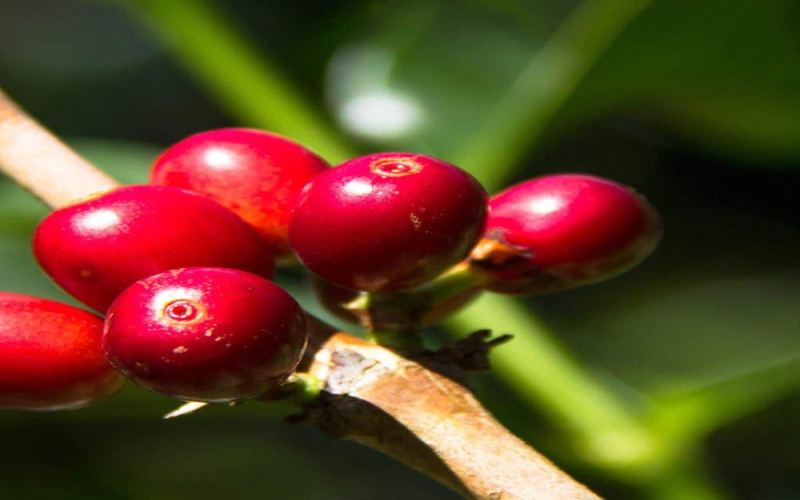
An Analysis of Kenyan Coffee Bean Flavor Characteristics: Tracing the Origins of SL28 and SL34 Varieties, Historical Evolution, and Pour-Over Brewing Parameters
Kenya, as a representative producing country of African specialty coffee, is renowned for its coffee's intense acidity and vivid juicy character, often described as having a cherry tomato-like taste experience. This article systematically outlines the geographical distribution and harvest rhythm of Kenya's six major coffee regions, with a focus on tracing the breeding history and genetic origins of the two classic varieties SL28 and SL34, while also introducing the characteristics of later-developed varieties such as Ruiru11 and Batian. In addition, the article covers Kenya's coffee grading system, the unique triple-cycle fermentation washing process (K72), and Front Street Coffee's brewing parameters and flavor description for Kenyan Asaliya coffee beans, providing coffee enthusiasts with a complete understanding from origin to cup. [more…]
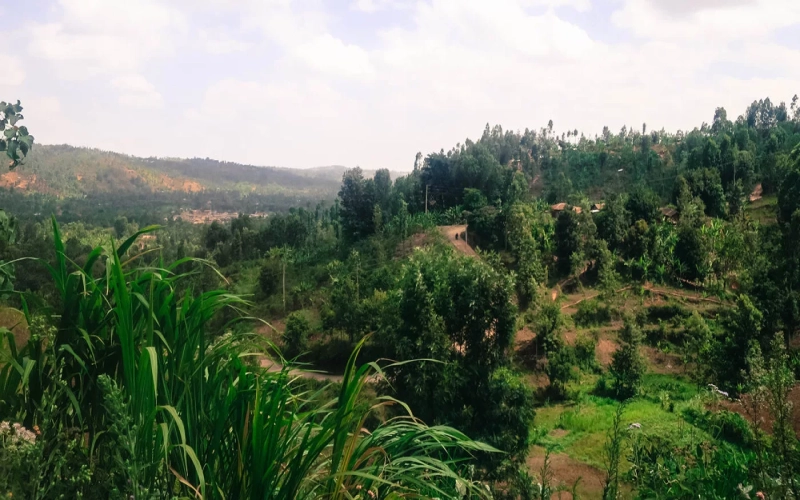
Kenya Boma Washing Station Red Currant Coffee Beans: A Full Analysis of Origin Terroir, Processing, and Cupping & Brewing
The Boma washing station in Kericho, Kenya, is located in a mountainous area at an altitude of 1,700 to 1,800 meters, belongs to the Kipkellion Cooperative, and has more than 600 farmer members. The SL28, SL34, and Batian varieties grown here, after a unique dry fermentation washed process, display a complex flavor profile of lemon, cranberry, caramel, and green tea. This Kenyan Cranberry coffee bean from Front Street Coffee, AB grade, presents in cupping a bright acidity of cherry tomato, plum, and lemon, with the sweetness of honey and berries interwoven and a full body. This article will guide you through the terroir conditions, processing flow, and variety characteristics of the Boma washing station, and share the brewing parameters and staged extraction suggestions given by Front Street Coffee's roaster for this bean. [more…]
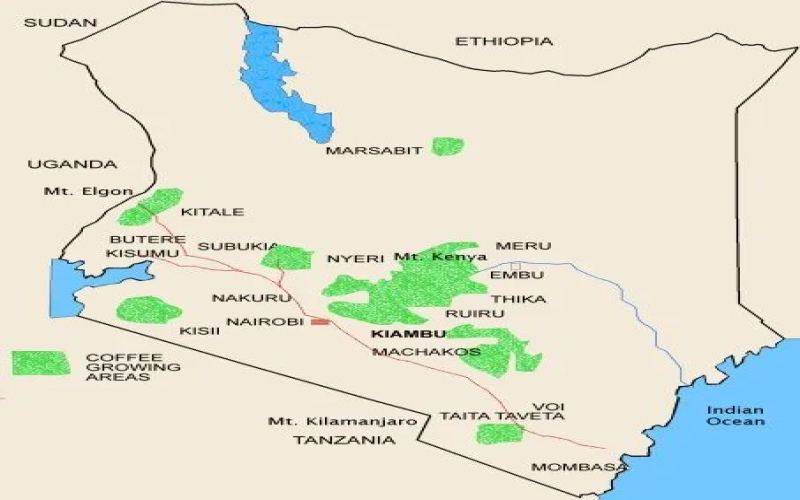
A Comprehensive Guide to Kenyan Coffee Origins: Varieties, Washed and Natural Processing, and an Overview of Flavor Characteristics
Kenya is a coffee origin that cannot be overlooked on the global specialty coffee map, renowned for its intensely bright acidity and complex layers. This article provides a systematic overview of Kenyan coffee cultivation, including the capital Nairobi, the port city of Mombasa, nearly 700,000 smallholder families, growing conditions at elevations ranging from 1,400 to over 2,000 meters, and varieties such as SL28, SL34, Ruiru 11, Batian, and K7. The article also outlines the main and secondary harvest seasons, the major growing regions in the central and western areas, and compares the flavor differences across counties such as Nyeri, Embu, and Thika. It focuses on analyzing the Kenyan-style 72-hour washed processing method (K72), detailing its process and advantages, while also introducing the lesser-seen traditional natural-processed Kenyan coffee, including the historical background and flavor profile of Missionary Bourbon. Finally, it includes two comparison bean information cards and brewing suggestions, making it ideal for coffee enthusiasts looking to gain a comprehensive understanding of Kenyan coffee. [more…]
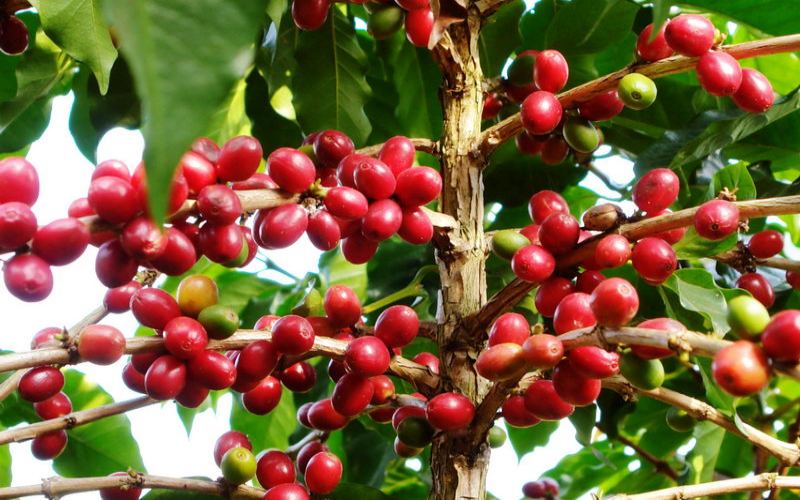
The Complete Guide to Brewing Kenyan Coffee: From Origin and Varieties to Washed Processing and Iced Pour-Over Techniques
Kenyan coffee is famous for its intense, cherry-tomato-like acidity and distinct floral and fruity aromas. In contrast to Ethiopia's light and bright profile, it is another shining star among African specialty beans. This article begins with Kenya's growing environment and six major producing regions, analyzes the origins of unique varieties such as SL28 and SL34, and explains in detail Kenya's signature 72-hour washed processing method (K72). After that, Front Street Coffee will share the parameters for hand-brewing Kenya and the three-pour pouring technique, as well as specific plans for three iced coffees: iced hand brew, iced drip, and cold brew, helping coffee lovers fully bring out the uplifting berry acidity and clean, full-bodied flavor of Kenyan beans. [more…]